
Osa Peninsula
Rainforest, Beach, National Park in the province of Puntarenas!
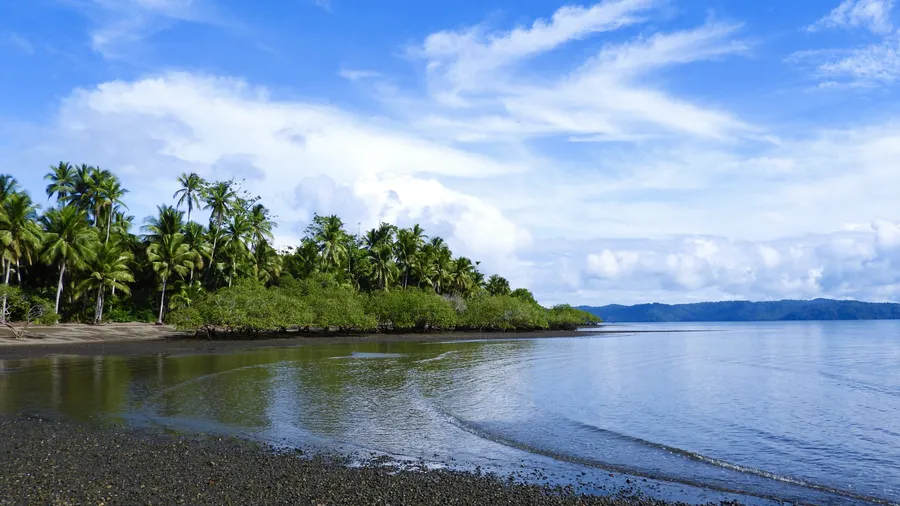

About this region
Osa Peninsula contains the most biologically intense place on Earth according to National Geographic, with Corcovado National Park protecting pristine primary rainforest. This remote wilderness destination offers unparalleled wildlife viewing, pristine beaches, and authentic eco-adventure experiences in Costa Rica's last frontier.
Where Nature Thrives Uninterrupted: Earth's Most Biologically Intense Paradise
Welcome to the Osa Peninsula, Costa Rica's most remote and biodiverse region, where pristine rainforests meet wild Pacific coastlines in what National Geographic has coined "the most biologically intense place on earth". What makes this region truly magical is its extraordinary concentration of wildlife - home to 2.5% of the world's biodiversity despite covering less than 0.001% of the planet's surface, creating the highest density of species per square kilometer found anywhere on Earth.
Located on Costa Rica's remote southwestern Pacific coast, jutting dramatically into the ocean near the Panamanian border, the Osa Peninsula represents the last great wilderness of Central America. This rugged 1,700-square-kilometer peninsula remains largely untouched by development, where 424 km² of pristine rainforest and wild coastline within Corcovado National Park alone protects some of the planet's rarest and most endangered species in their natural habitat.
The magic of the Osa Peninsula lies in its incredible wildlife encounters that simply cannot be experienced anywhere else on the planet. Here, travelers can observe elusive jaguars through primary rainforest in the morning, observe harpy eagles soaring overhead at midday, and watch scarlet macaws returning to their roosts at sunset, all while staying in eco-luxury lodges that epitomize sustainable tourism. With over 300 endemic species of plants and vertebrates, the largest population of scarlet macaws in Central America, and 140 mammal species (including 25 species of dolphins and whales), the Osa Peninsula offers wildlife experiences that rival Africa's greatest safari destinations.
The Osa Peninsula is a living model of conservation tourism, where protected rainforests and thriving communities demonstrate the power of preserving nature while supporting sustainable livelihoods.
Top Attractions & Activities: Adventures in the World's Wildlife Capital
Corcovado National Park stands as the undisputed crown jewel of Costa Rica's protected areas and one of the most biodiverse places on Earth. Spanning 181 square miles, it takes up almost half of the Osa Peninsula and is home to some of the world's rarest wildlife, including all of Costa Rica's big cats, giant anteaters, Baird's tapirs, and the magnificent harpy eagle - Central America's most powerful predator.
The park's trail system offers some of the most challenging and rewarding wildlife viewing opportunities in the Americas. The famous Sirena Station, accessible only by chartered boat or plane, provides the ultimate wilderness experience where travelers can observe elusive jaguars, observe tapirs drinking from pristine rivers, and witness the incredible spectacle of scarlet macaws in their largest remaining population. More than 400 species of birds including 16 different hummingbirds and the largest number of scarlet macaws anywhere in Central America create constant natural symphonies throughout the park's diverse ecosystems.
The Osa Peninsula has 5 of the 6 wildcats in Costa Rica; the puma, the jaguar, the ocelot, the margay, and the jaguarundi, with jaguar encounters being the holy grail of wildlife viewing. These magnificent cats, weighing up to 250 pounds, can sometimes be observed hunting along river edges or resting in the shade during the heat of the day, creating rare and unforgettable wildlife moments.
Beyond Corcovado, the peninsula offers extraordinary marine adventures including world-class sportfishing for marlin, sailfish, and dorado in the deep Pacific waters, where the continental shelf drops off dramatically just miles from shore. Kayaking through the calm waters of Golfo Dulce provides opportunities to spot dolphins, sea turtles, and during certain seasons, migrating humpback whales that use the gulf as a nursery.
The region's pristine beaches, accessible only by boat or challenging hikes, offer complete solitude and some of the best surfing waves in Costa Rica. Backwash and Pan Dulce beaches provide consistent breaks with no crowds, where surfers often find themselves sharing waves only with pelicans and frigate birds.
Adventure activities include multi-day wilderness camping expeditions in Corcovado, canopy research tower climbs that provide bird's-eye views of the forest ecosystem, night tours that reveal the incredible nocturnal wildlife including six species of wild cats, and river expeditions where crocodiles, caimans, and manatees can be observed in their natural habitats.
Natural Wonders & Wildlife: The Ultimate Wildlife Sanctuary
The Osa Peninsula represents the most successful wildlife conservation story in Central America, where species that have disappeared from much of their historic range continue to thrive in stable populations. Within Corcovado you can find 13 major ecosystems with stunning flora and fauna, all four monkey species, all four sea turtle species and over 40 frog species, creating a living laboratory where travelers can observe the complex interactions that make tropical rainforests the most biodiverse ecosystems on Earth.
The peninsula's feline population represents one of its greatest treasures, with jaguars serving as the apex predator that indicates ecosystem health. These magnificent cats, once ranging from the southern United States to northern Argentina, now find their safest refuge in the Osa Peninsula's protected forests. Pumas, equally impressive but more commonly observed, often hunt during daylight hours, while the smaller wild cats - ocelots, margays, and jaguarundis - provide incredible photographic opportunities during night tours when their reflective eyes reveal their presence in the darkness.
All four species of Costa Rica's primates are found on the Osa Peninsula, from the thunderous dawn choruses of howler monkeys whose calls can be heard for miles, to the endangered squirrel monkeys that exist in only two locations in Costa Rica, to the highly intelligent white-faced capuchins that display complex social behaviors, and the spectacular spider monkeys that swing through the highest canopy levels with breathtaking athleticism.
Bird life on the peninsula includes species found nowhere else in Costa Rica, with the harpy eagle representing the ultimate birding prize. These massive raptors, with seven-foot wingspans and talons larger than grizzly bear claws, hunt sloths and monkeys in the forest canopy, making the Osa Peninsula one of the last places on Earth where they can reliably be observed in the wild.
The peninsula's marine ecosystems support an equally impressive array of life, from the massive whale sharks that feed in the nutrient-rich waters to the tiny seahorses that hide among coral formations. Four species of sea turtles nest on the peninsula's remote beaches, including the massive leatherbacks that can weigh over 1,000 pounds and represent some of the ocean's most ancient mariners.
More than 100 species of butterflies and at least 10,000 other insects call the Osa peninsula home, including some of the world's most spectacular butterflies like the electric blue morphos whose wingspans can exceed six inches, and the transparent glasswing butterflies that seem to materialize from thin air in the forest understory.
Local Culture & Communities: Where Conservation Meets Community
The Osa Peninsula represents a remarkable success story of community-based conservation, where former gold miners, loggers, and hunters have become some of Costa Rica's most passionate wildlife protectors and expert naturalist guides. Local families who have lived on the peninsula for generations now operate eco-lodges, guide services, and conservation projects that provide sustainable livelihoods while protecting the region's incredible biodiversity.
The transformation of local communities from resource extraction to conservation tourism demonstrates how environmental protection can provide economic opportunities that surpass traditional industries. Many of the peninsula's best naturalist guides are former gold miners who possess intimate knowledge of wildlife behavior, seasonal patterns, and secret locations where rare species can be observed, making their expertise invaluable for travelers seeking authentic wildlife encounters.
Indigenous Boruca and Térraba communities maintain strong connections to the peninsula, with traditional ecological knowledge that contributes to modern conservation efforts. Their understanding of plant medicines, animal behavior, and seasonal cycles provides crucial information for research projects and wildlife monitoring programs that operate throughout the region.
The peninsula's small communities, including Puerto Jiménez, Drake Bay, and Carate, maintain authentic Costa Rican character while providing essential services for eco-tourists. Local restaurants serve fresh fish caught by sustainable methods, while small-scale organic farms supply tropical fruits and vegetables to the region's eco-lodges, creating economic networks that support conservation goals.
Environmental research stations scattered throughout the peninsula provide opportunities for travelers to participate in citizen science projects, from sea turtle monitoring to bird banding to camera trap studies that track elusive mammals like jaguars and tapirs. These programs allow travelers to contribute meaningfully to conservation efforts while gaining deeper insights into tropical ecology and wildlife research methods.
Travelers are invited to experience not just the wildlife, but the stories of local families, former gold miners turned guides, and indigenous communities whose deep-rooted knowledge brings added meaning to every journey.
Accommodation & Dining: Eco-Luxury Pioneering Sustainable Tourism
The Osa Peninsula hosts some of the world's most celebrated eco-lodges, where luxury seamlessly blends with environmental responsibility and unparalleled wildlife viewing opportunities. Lapa Rios, the leading eco-lodge on Costa Rica's Osa Peninsula, nestled within 1,000 acres of protected rainforest near Corcovado National Park, features 17 sustainably built, largely open-air bungalows that occupy sea-view perches amid protected rainforest – your closest neighbour is likely to be a howler monkey or a toucan.
Offering 17 private bungalows 350 feet above sea level, overlooking the shores where Golfo Dulce meets the Pacific, Lapa Rios is built using sustainable materials and renewable energy systems while providing luxury amenities that rival the world's finest resorts. Perched above the forest canopy and with sweeping ocean views, each of the four Lapa Villas simultaneously immerses guests in the spectacular wild nature of the Osa Peninsula, surrounded by primary rainforest brimming with bird and mammal wildlife, merging with the turquoise palette of the Pacific Ocean.
Bosque del Cabo Rainforest Lodge offers a rare opportunity to comfortably vacation among all this rugged natural splendor. At the end of our mile long driveway, you're transported to a private Eden joining the raw nature of the rainforest to the tranquil beauty of manicured grounds, where guests can experience the peninsula's incredible wildlife while enjoying sophisticated accommodations and gourmet cuisine.
Tree House Lodge provides one of the world's most unique accommodation experiences, with elevated platforms that place guests literally in the forest canopy where they sleep surrounded by the sounds of howler monkeys, the calls of exotic birds, and the rustling of leaves as sloths and other arboreal creatures move through the branches just feet away from their beds.
The dining experiences on the peninsula celebrate both the incredible diversity of tropical ingredients and the sustainable fishing practices of local communities. Restaurants feature fresh fish caught using traditional methods by local fishermen, organic tropical fruits and vegetables grown in permaculture gardens, and traditional Costa Rican preparations that highlight the natural flavors of ingredients grown in volcanic soils and tropical conditions.
Many lodges operate their own organic gardens where guests can learn about tropical agriculture, medicinal plants, and sustainable farming practices that support both conservation and local communities. Farm-to-table dining reaches its pinnacle here, where meals often feature ingredients harvested that morning from lodge gardens and prepared using traditional Costa Rican cooking methods enhanced by international culinary techniques.
The peninsula's commitment to sustainability extends to beverage programs that feature locally roasted coffee from nearby mountain farms, fresh fruit juices prepared from organically grown produce, and natural spring water sourced from pristine forest watersheds, creating dining experiences that reflect the region's incredible natural abundance.
Each visit to the Osa Peninsula supports reforestation, education, and ecological monitoring programs, transforming eco-tourism into a force for long-term environmental protection.
Best Time to Visit & Practical Tips: Planning Your Ultimate Wildlife Adventure
The Osa Peninsula's tropical climate and wildlife activity patterns create distinct seasonal advantages for different types of experiences and species observations. The dry season from December through April provides optimal conditions for hiking the challenging trails of Corcovado National Park, with minimal rainfall allowing access to remote areas and the best opportunities for tracking large mammals like jaguars and tapirs along river systems and forest paths.
During the dry season, wildlife concentrates around permanent water sources, making animal observations more predictable and photographically rewarding. However, Corcovado might be best avoided during rainy season when the floods and rain can cause some real danger, particularly for multi-day camping expeditions and river crossings that can become impassable during heavy rains.
The green season from May through November brings the forest to life with incredible bird activity, flowering trees that attract butterflies and hummingbirds, and the spectacular breeding displays of many species. This period offers significantly lower accommodation rates, fewer tourists, and more intimate wildlife encounters, though travelers must be prepared for challenging weather conditions and muddy trails.
Many experienced wildlife enthusiasts prefer the transition periods of late November through early December and late April through May, when weather patterns are changing and wildlife activity peaks as animals adapt to seasonal shifts. These periods often provide the best combination of reasonable weather and exceptional wildlife viewing opportunities.
The peninsula's remote location requires careful planning, with most travelers flying into either San José and driving approximately 6 hours via rough roads, or taking domestic flights to Puerto Jiménez or Drake Bay that reduce travel time significantly but require advance reservations, especially during peak season. Many eco-lodges provide transfer services that include naturalist guides who begin wildlife viewing experiences during the journey to accommodations.
Physical fitness is essential for Osa Peninsula adventures, as even basic wildlife viewing requires hiking on challenging trails through dense forest, crossing rivers, and walking on uneven terrain. Travelers should pack high-quality hiking boots with excellent traction, lightweight quick-dry clothing in earth tones that blend with forest environments, professional-grade binoculars for optimal wildlife observation, and rain gear suitable for tropical downpours.
Most travelers find 4-7 days ideal for experiencing the peninsula's diverse wildlife and ecosystems while allowing time for both active exploration and relaxation at eco-lodges. Advance reservations are essential year-round, particularly for Corcovado National Park camping permits and guided tours that fill up months in advance during peak wildlife viewing seasons.
A high-quality camera with telephoto lens capabilities is essential for capturing the incredible wildlife encounters that make the Osa Peninsula legendary among photographers and naturalists worldwide. Professional wildlife photographers often visit specifically during the dry season when lighting conditions are optimal and animal behavior is most predictable.
Experience the magic of Costa Rica's last great wilderness, where every footstep could reveal a jaguar track, every tree could hold a sloth, and every dawn chorus could include the calls of species found nowhere else on Earth. Book your unforgettable Osa Peninsula adventure today and discover why this extraordinary region consistently ranks as the world's premier destination for authentic wildlife encounters in pristine tropical rainforest.
Highlights

Corcovado National Park
Explore the most biodiverse place on Earth with jaguars, tapirs, scarlet macaws, and four monkey species.
Ultimate Wildlife Experience
Encounter the highest concentration of wildlife in Costa Rica including all big cats and rare species.
Remote Wilderness
Experience true adventure in one of the world's last pristine rainforest frontiers with minimal human impact.
Good to know
Access
Activities
Accommodation ($$-$$$)
Nearby attractions
Why go
Ready to go?
Ask us to build a custom itinerary around Osa Peninsula.