Eco Dreams Travel
Home About Us About us Costa Rica Itineraries Tailor Made Vacations Magic Regions Contact
Plan my trip
Costa Rica
The Friendly Locals

About Costa Rica

As of October 2024, Costa Rica proudly holds the title of the world’s friendliest nation, according to InterNations — a warmth deeply embedded in a culture built on peace and sustainability.

The country’s breathtaking natural beauty, tropical climate and “pura vida” way of life have long captivated travelers. “Pura vida” — “pure life” — reflects the Costa Rican ethos of simplicity, joy and a deep connection with nature. It’s more than a phrase; it’s a way of living that invites visitors to slow down and embrace the moment.

Costa Rica also stands out for an exceptional healthcare system and ambitious environmental policies aimed at preserving its lush rainforests and remarkable biodiversity for generations to come. A peaceful nation at its core, Costa Rica made history by abolishing its army 75 years ago, choosing instead to invest in education and healthcare — a decision that shaped a society that values dialogue, community and human development.

With a population of around 5 million, Costa Rica is home to a growing expat community as well as eight indigenous groups, who play a vital role in preserving their traditions, languages and way of life. Whether you’re exploring the rainforest, unwinding on pristine beaches, or connecting with locals, Costa Rica offers a genuine warmth that makes every visit unforgettable.

Nature Paradise

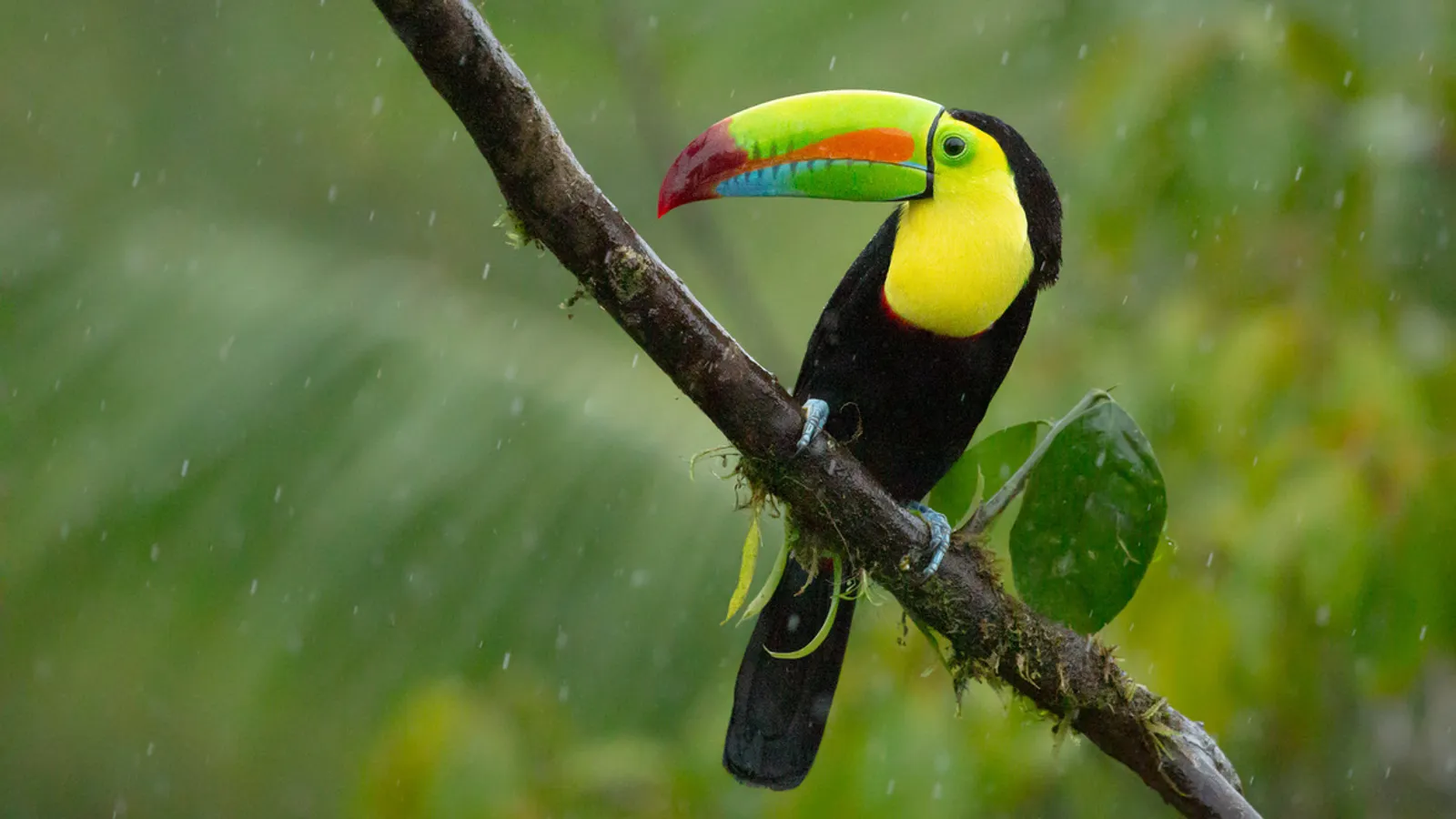
Despite covering just a tiny sliver of the planet, Costa Rica is home to at least 4% of the world’s biodiversity — amplified by volcanic mountain ranges that create a majestic backdrop of pristine rivers, cascading waterfalls, verdant rainforests, active volcanoes and endless beaches. After years of deforestation for cattle farming, community-driven initiatives have restored tree coverage to 75%. While sightings are never guaranteed, guests regularly encounter playful monkeys, vibrant birds, scarlet macaws, hummingbirds, sloths and crocodiles — and, depending on the season, humpback whales nursing their young or sea turtles nesting along the coast.

Safety Is Always First

Costa Rica is considered one of the safest countries in Latin America. As with any destination, petty crime can occur, so a little common sense goes a long way: keep an eye on your belongings, avoid leaving valuables unattended, and store items out of sight in a rental car. When you travel with Eco Dreams Travel, our local experts stay one step ahead — monitoring weather, confirming schedules, and making sure your driver is always on time.

Democracy

Costa Rica is a presidential republic that gained independence from Spain in 1821. In 1949, a new constitution abolished the military entirely — President José Figueres called it “a threat to democracy.” Since then, the country has celebrated 16 peaceful presidential elections, and in 1986 President Óscar Arias won the Nobel Peace Prize for helping resolve civil wars across Central America — a value Costa Ricans still hold dear today.

Planning your trip

When to visit Costa Rica

Don’t worry too much about the "dry" vs. "rainy" labels — there really isn’t a bad time to visit, it just depends what you’re after.

Best availability
May – early December
High season
Mid-December – mid-April
Whale watching
Dec–Apr (North) / Jun–Oct (South)
Turtle nesting (Tortuguero)
Jun – Oct, peak Jul–Aug

Temperatures stay fairly stable year-round and change by altitude, not season. Birdwatching is excellent all year, with spring migration (March–April), fall migration (July–October) and raptor migration (September–October) as highlights — monkeys, orchids and sloths are around year-round. Tell your Eco Dreams local expert what you’re most excited to see, and they’ll help time your trip around it.

Set the record straight

Common myths about Costa Rica

Myth 1: During the wet season, it pours all day.

During the green season, expect clear mornings followed by a couple of hours of rain in the afternoon. A low-pressure system can occasionally bring longer stretches of rain, especially between September and October — though those same months tend to be drier along the Caribbean coast.

Myth 2: Costa Rica is an island.

Costa Rica isn't an island, though it does have stunning beaches. It's bordered by Nicaragua to the north, Panama to the south, the Caribbean Sea to the east and the Pacific Ocean to the west — in Central America, not South America. Often called the “belly button” of the Americas, it sits right in the middle of the continent, about 11 degrees north of the Equator, with a lovely tropical climate.

Myth 3: Costa Rica is a third-world country.

The World Bank classifies Costa Rica as an upper-middle-income country and a development success story. Global companies like Amazon, HP, IBM, Boston Scientific and Intel have set up operations here, drawn by a highly educated workforce and widespread English proficiency.

Myth 4: There's nothing special in the capital city (San José).

San José may not be the most picturesque or modern capital, but its older neighborhoods are full of character and historic architecture. The city is home to standout museums — including the Jade Museum and the Contemporary Art and Design Museum — and sits in the Central Valley, ringed by mountains and volcanoes.

Myth 5: Costa Rican food is too spicy.

“Gallo pinto” and other traditional Costa Rican dishes are actually mild, built around fresh, natural flavors, rice and beans, and produce grown year-round in nutrient-rich volcanic soil. Want heat? Just add Tabasco or a local artisan hot sauce on the side.

Before you go

Friendly reminders: a traveler's guide

Everything practical, in one place — health, money, packing, getting around, and being a good guest.

Health & Safety

  • No mandatory vaccinations to enter (except yellow fever from specific South American/African countries); routine tetanus, hepatitis A/B and flu shots are recommended.
  • Modern hospital network (public CCSS + high-quality private clinics); international medical insurance is recommended.
  • National emergency number: 911, available 24/7.
  • Avoid carrying large sums of cash or displaying valuables, and use the same street-smart habits you'd use anywhere.

Water, Food & Hygiene

  • Tap water is generally safe in urban and tourist areas; carry a filter bottle for excursions and check with your accommodation in rural/coastal areas.
  • Avoid street-vendor drinks with ice from an unknown water source — bottled or freshly made drinks are usually safe.
  • Try casado, gallo pinto and ceviche at a local “soda” for an affordable, homemade meal.
  • A 13% tax and 10% service charge are usually already included; extra tipping is appreciated for great service.

Currency & Payments

  • Local currency is the colón, but US dollars are widely accepted; small bills are best for small purchases.
  • Only exchange money at banks or authorized exchange offices.
  • ATMs are everywhere — use ones inside banks or shopping centers for extra security.
  • Visa, Mastercard and Amex are widely accepted; let your bank know your travel dates.

Communication & Tech

  • Buy a local SIM from Kolbi, Claro or Movistar (passport required).
  • Wi-Fi is common in hotels, cafés and public areas, though limited in remote zones.
  • Handy apps: Waze/Google Maps, WhatsApp, iNaturalist or Seek for plants and wildlife, and Google Translate.

Packing & Personal Prep

  • Lightweight, breathable, quick-dry clothing for the heat and humidity; a warm layer and windbreaker for the mountains and Central Valley; a rain jacket or poncho year-round.
  • Biodegradable sunscreen, insect repellent, a reusable water bottle, hat, sunglasses, swimsuit, quick-dry towel, daypack and headlamp.
  • A personal first-aid kit with any prescription meds, plus a power bank and adapters (110V, plug types A/B).
  • Digital and paper copies of your passport, insurance, licenses and bookings — and don’t overpack, most hotels offer laundry service.

Getting Around

  • Renting a car requires a valid license (1+ year old), a passport, and an international credit card in the main driver’s name; minimum age is usually 21 (sometimes 23–25); some rural roads need 4×4.
  • Driving is on the right; avoid nighttime driving in unfamiliar areas; seatbelts are mandatory; speed limits are posted in km/h.
  • Public transport is inexpensive but not always punctual — shuttles and private transfers are more reliable.
  • Domestic flights are a fast way to reach distant destinations, with some luggage restrictions.

Entry Requirements & Customs

  • Passport must be valid for at least six months on arrival.
  • Citizens of many countries can stay 90 days without a visa — check the requirement for your nationality.
  • Proof of onward/return travel and, occasionally, proof of funds may be requested.
  • Travel insurance is highly recommended (not mandatory).
  • Amounts over $10,000 in cash must be declared; drones need special permits for professional use.

Weather & Seasons

  • Dry season (December–April): sunny, peak tourist season, ideal for outdoor adventures.
  • Green season (May–November): afternoon rains, lush landscapes, fewer crowds.
  • Microclimates vary a lot: Guanacaste is drier, the Central Valley stays mild (18–25°C), the Caribbean sees rain year-round (driest Sep–Oct), and the highlands are cool and humid (10–20°C).
  • Pack rain gear and proper footwear, and plan outdoor activities for the morning.

Responsible Tourism

  • Don't touch, feed or disturb wildlife, and don't remove plants, seeds, rocks or other natural items.
  • Always pack out your trash and favor reusable gear over single-use plastics.
  • Choose sustainability-certified or eco-friendly businesses, and join beach clean-ups or reforestation efforts when you can.
  • Be sensitive to local customs in rural and indigenous communities — learn a few Spanish phrases and ask before taking photos.

National Park Rules

  • Prepared meals/snacks and single-use plastics (bags, straws, disposable containers) are generally restricted.
  • No speakers or loud music, and no knives or sharp tools unless authorized.
  • Pets aren't allowed in protected areas; stay on marked trails.
  • Some parks require advance booking due to visitor limits, and rangers may inspect belongings — breaking the rules can mean fines or removal.
Save these

Emergency contacts & traveler assistance

Keep your home country’s embassy or consulate contact info on hand too.

Ready when you are

Let us handle the details

Our local experts already know all of this by heart — let them build a trip around it.

Plan my trip